Analyzing Integration Patterns Between E-Wallet Services and Live Broadcast Gaming on Mobile Interfaces
Petra Hartmann · Sep 11, 2026
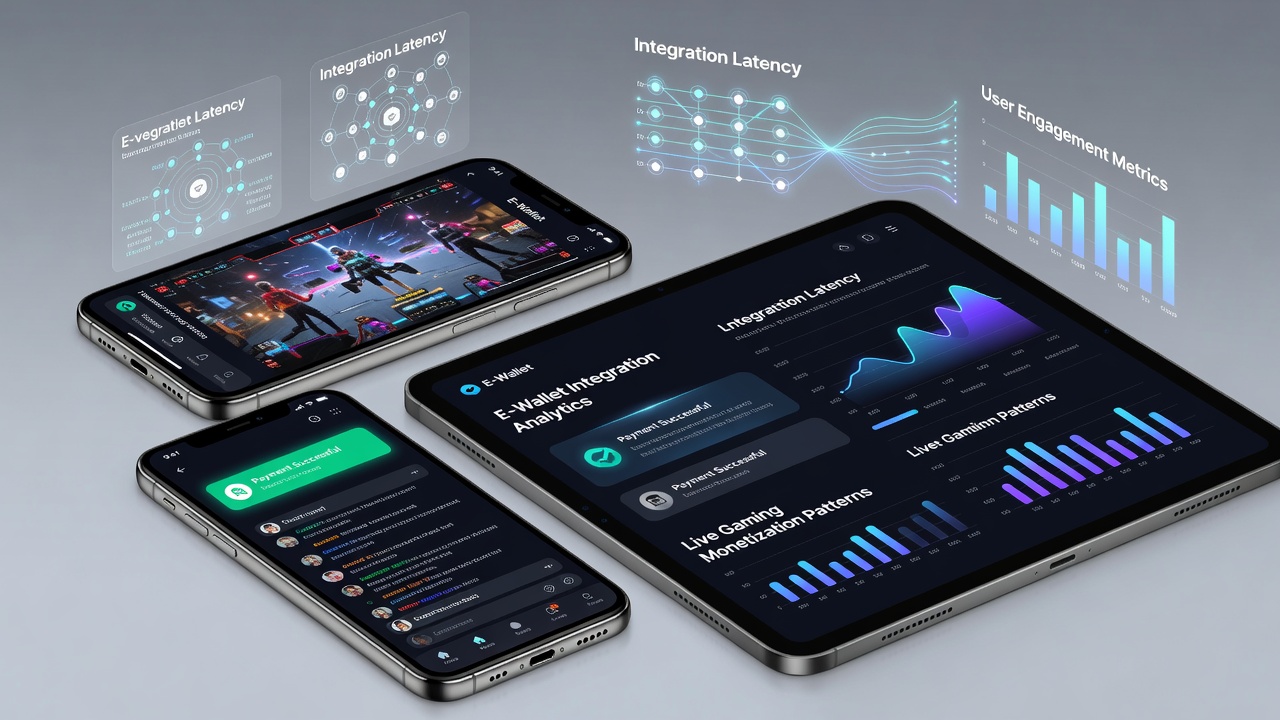
Analyzing Integration Patterns Between E-Wallet Services and Live Broadcast Gaming on Mobile Interfaces
Integration between e-wallet services and live broadcast gaming platforms on mobile devices follows several distinct technical patterns that developers and operators have refined over recent years, and these patterns typically involve secure API connections, real-time transaction verification, and streamlined user authentication flows that reduce latency during active streams. Researchers at various institutions have documented how these systems handle simultaneous video feeds and payment requests without disrupting the broadcast experience, while data from September 2026 market analyses indicated steady adoption rates across multiple regions.
One common pattern centers on tokenized payment processing where the e-wallet provider issues a temporary token to the gaming application, allowing the mobile interface to complete deposits or withdrawals while the live stream continues uninterrupted, and this approach limits direct exposure of sensitive financial data during the session. Observers note that such tokenization aligns with broader security standards adopted by payment networks, and it supports the rapid confirmation loops required when users place bets in real time against live dealers.
Core Technical Frameworks in Mobile Environments
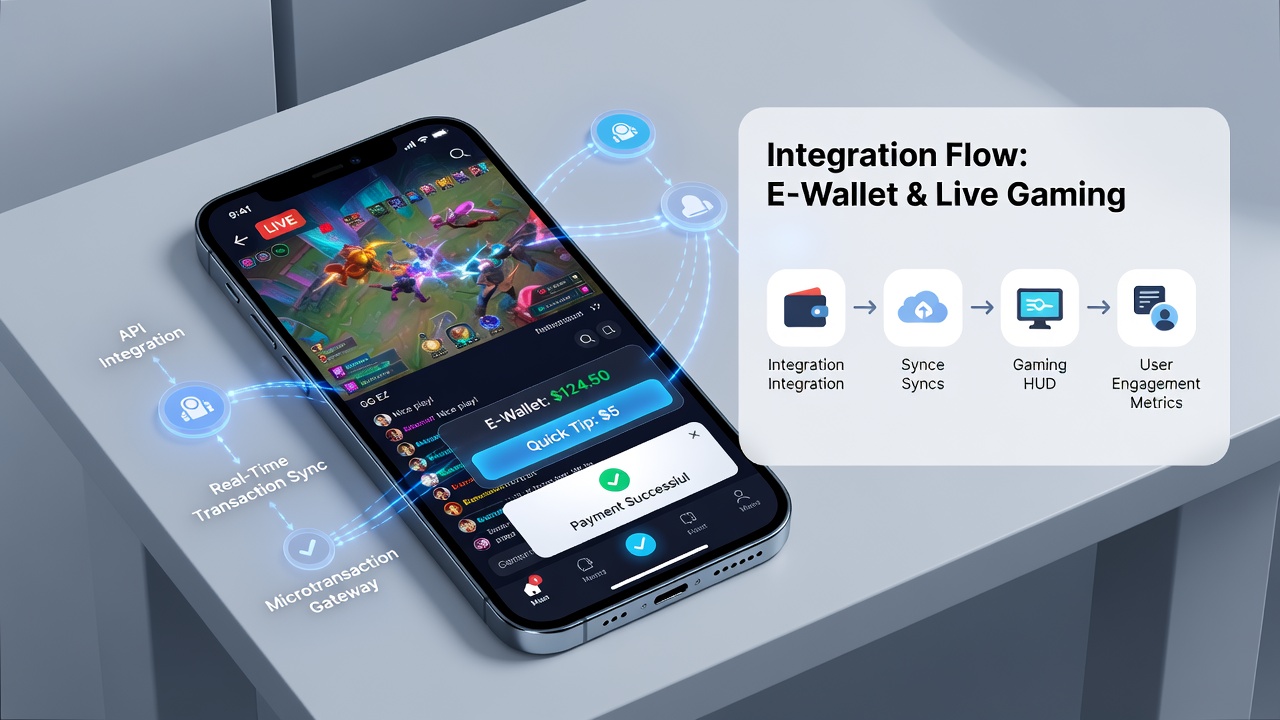
Mobile interfaces manage these integrations through layered architectures that separate the broadcast video module from the payment module, yet they maintain synchronized session states so that balance updates appear instantly on screen, and developers achieve this by routing all transaction data through encrypted channels that comply with regional financial regulations. Studies from North American regulatory bodies show that these frameworks often incorporate biometric prompts at the point of transaction to confirm user identity without requiring full app switches.
Another pattern involves direct deep linking between the live gaming app and the e-wallet's own authentication service, which lets users authorize payments inside the broadcast window while the video feed remains active in the background, and this method has gained traction because it minimizes context switching that could interrupt engagement during high-stakes moments. Figures from industry reports released in 2026 revealed that sessions using deep-link flows experienced fewer abandoned transactions compared with those relying on external browser redirects.
Security and Compliance Mechanisms
Security protocols embedded in these integrations rely on end-to-end encryption combined with device fingerprinting to verify that both the mobile hardware and the active user match the registered account, and regulators in jurisdictions such as New Jersey have outlined specific requirements for how these checks occur before funds transfer during a live stream. The New Jersey Division of Gaming Enforcement documentation details audit procedures that operators must follow when connecting e-wallet systems to broadcast platforms.
Compliance layers also include automated velocity checks that flag unusual transaction patterns in real time, allowing the system to pause the payment request without halting the video broadcast, and this separation ensures the user experience remains fluid even when additional verification steps activate. European research papers have examined how similar controls function across cross-border mobile networks, highlighting consistent performance metrics when latency stays below defined thresholds.
Regional Variations in Implementation
Implementation details vary by geographic market because local licensing rules influence which e-wallet providers receive approval for direct integration, and in markets with stricter capital controls the patterns often route transactions through licensed intermediaries before reaching the gaming operator. Data compiled by the European Gaming and Betting Association illustrates how operators adapt these intermediary steps while preserving the speed of mobile transactions during live events.
Users in high-mobility scenarios benefit from offline caching of wallet balances that sync once connectivity resumes, and this feature supports continued viewing of live broadcasts even when signal strength fluctuates, although actual fund movement waits for confirmation. Technical documentation from platform providers shows that such caching mechanisms incorporate time-stamped reconciliation processes to prevent discrepancies once the connection restores.
Future Development Indicators
Industry observers tracking adoption curves note continued refinement of these integration patterns, particularly around support for newer mobile operating system features that enable faster biometric authentication and background transaction handling, and September 2026 updates to several major e-wallet SDKs introduced enhanced hooks for live video overlays. These incremental changes build on existing frameworks without requiring complete architectural overhauls.
Conclusion
Integration patterns between e-wallet services and live broadcast gaming on mobile interfaces continue to evolve through standardized API practices, layered security measures, and region-specific compliance adaptations that together support seamless transaction handling during active streams, and available data through late 2026 confirms sustained technical progress across multiple markets without disruption to core broadcast quality.